
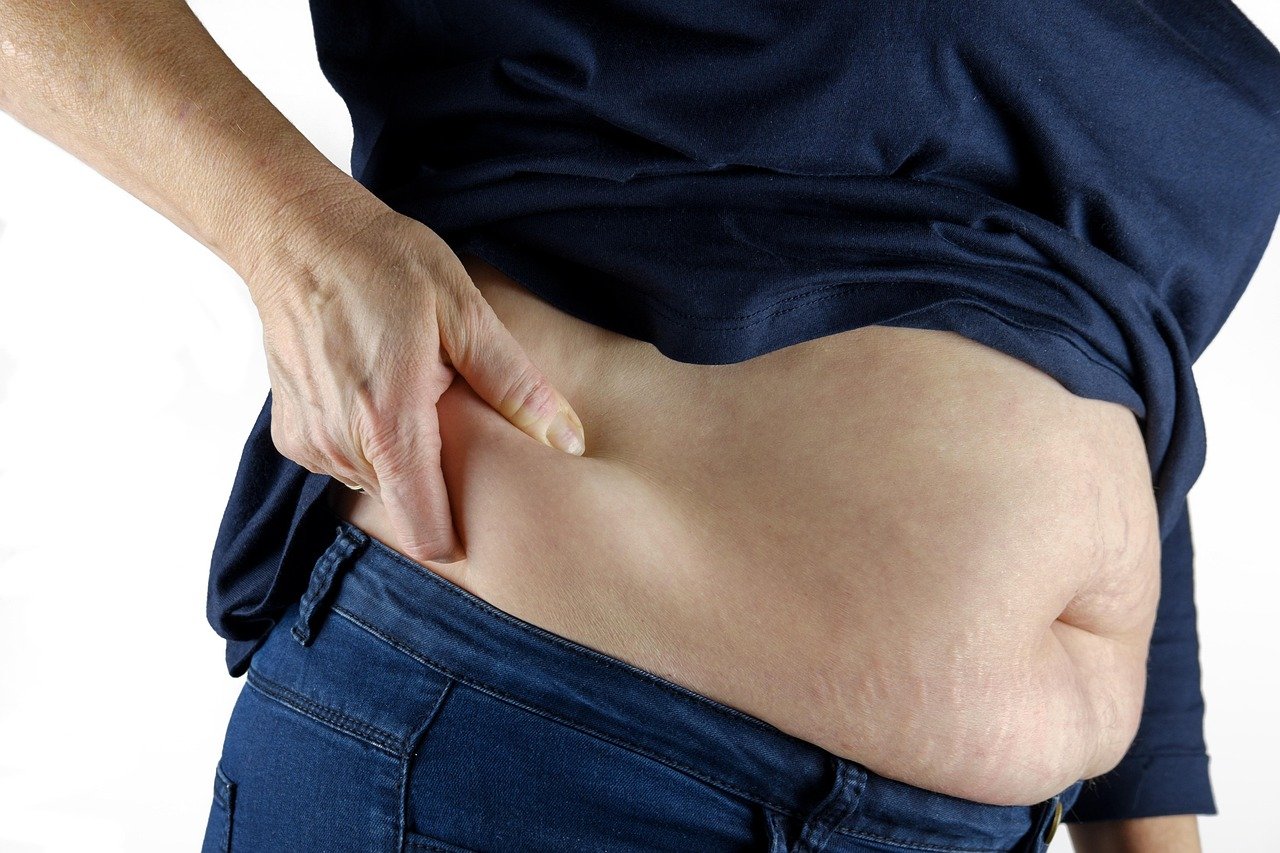
Belly fat is one of the most common concerns for people trying to improve their health, but losing it is not simply a matter of doing more abdominal exercises or following a restrictive diet.
If you are wondering how to lose belly fat naturally, the most effective approach involves improving your overall lifestyle in ways that support gradual fat loss, metabolic health, sleep, nutrition, and physical activity.
It is also important to understand that you cannot choose exactly where your body loses fat first. Exercises that strengthen the abdominal muscles can improve core strength, but they do not specifically burn the fat covering the abdomen.
The good news is that evidence supports several realistic habits that can help reduce overall body fat and, over time, abdominal fat as well.
Why Belly Fat Matters
Not all abdominal fat is the same.
Some fat lies directly underneath the skin. This is known as subcutaneous fat. Another type, called visceral fat, is stored deeper within the abdomen around internal organs.
Visceral fat is particularly important from a health perspective because higher levels have been associated with an increased risk of metabolic and cardiovascular problems.
For this reason, reducing excess abdominal fat is not purely about appearance. For some people, improving waist circumference and reducing visceral fat can be part of improving overall metabolic health.
There is no single food, drink, supplement, or exercise that specifically melts belly fat. Instead, the most effective strategies focus on sustainable changes that influence total body fat and health.
1. Prioritize Whole, Minimally Processed Foods
One of the simplest ways to improve your diet is to make minimally processed foods the foundation of most meals.
Examples include:
- Vegetables
- Fruits
- Beans and lentils
- Whole grains
- Nuts and seeds
- Eggs
- Fish
- Lean meats
- Plain yogurt and other nutrient-dense dairy products, when appropriate
These foods tend to provide more fiber, protein, vitamins, and minerals than many highly processed alternatives.
This does not mean every processed food needs to disappear from your diet. A sustainable eating pattern is usually more useful than an overly restrictive one.
The goal is to make nutrient-dense foods the default rather than trying to follow a temporary «belly fat diet.»
2. Eat Enough Protein
Protein plays an important role in maintaining muscle and supporting satiety.
Foods rich in protein may help you feel satisfied for longer, which can make it easier to manage overall food intake without constantly feeling hungry.
Useful protein sources include fish, chicken, turkey, eggs, beans, lentils, tofu, Greek yogurt, cottage cheese, and other lean protein sources.
Protein is especially important during weight loss because maintaining muscle helps support healthy body composition.
Rather than consuming an extreme high-protein diet, aim to include a reasonable source of protein throughout the day.
3. Increase Your Fiber Intake
Fiber is another important part of a healthy approach to reducing excess body fat.
Soluble fiber absorbs water and forms a gel-like substance during digestion. Fiber-rich foods can help promote fullness and support digestive and metabolic health.
Good sources include:
- Oats
- Beans
- Lentils
- Apples
- Pears
- Berries
- Avocados
- Flaxseeds
- Chia seeds
- Vegetables
Increasing fiber gradually is usually preferable, especially if your current diet contains relatively little fiber.
Drinking enough fluids is also important as fiber intake increases.
4. Reduce Sugary Drinks
Liquid calories can add up surprisingly quickly.
Regular soda, sweetened coffee drinks, energy drinks, sweet tea, and some fruit drinks can contain substantial amounts of added sugar without providing the same fullness as a meal.
Replacing sugary beverages with water, sparkling water without added sugar, or unsweetened tea can be a relatively simple change.
You do not need a special detox drink to reduce belly fat. Plain water remains one of the best choices for hydration.
5. Be Mindful of Highly Refined Carbohydrates
Carbohydrates themselves are not inherently responsible for belly fat.
The quality of carbohydrates matters.
Whole grains, fruits, vegetables, beans, and lentils provide nutrients and fiber and can be part of a healthy diet.
However, diets containing large amounts of refined carbohydrates and heavily processed foods can make it easier to consume more calories than the body needs.
Instead of eliminating carbohydrates entirely, consider replacing some refined options with higher-fiber alternatives such as oats, brown rice, quinoa, beans, vegetables, and whole-grain products.
6. Walk More
Walking is often underestimated because it does not feel as intense as many traditional workouts.
However, regular walking can contribute meaningfully to total physical activity and energy expenditure.
Walking also has several practical advantages: it requires little equipment, can be incorporated into everyday routines, and is accessible to many people.
You might walk after meals, take longer routes when running errands, use stairs when appropriate, or schedule a daily walk.
Consistency matters more than trying to make every walk an intense workout.
For people who have been sedentary, gradually increasing physical activity may be more realistic than immediately beginning a demanding exercise program.
7. Add Strength Training
Cardiovascular exercise is valuable, but resistance training deserves a place in a well-rounded fitness routine.
Strength training helps preserve and build muscle.
This becomes particularly important during weight loss because the goal should not simply be to make the number on the scale smaller. Maintaining lean body mass is also important.
Strength training may include free weights, resistance machines, resistance bands, or bodyweight exercises.
You do not need to train your abdominal muscles every day to lose belly fat. A program that works multiple major muscle groups is generally more useful for overall fitness and body composition.
If you are new to strength training, proper technique and gradual progression are important.
8. Include Aerobic Exercise
Aerobic activity is another evidence-supported component of reducing excess body fat.
Examples include brisk walking, cycling, swimming, jogging, dancing, and other activities that increase your heart rate.
Current U.S. physical activity recommendations encourage adults to get regular moderate- or vigorous-intensity aerobic activity along with muscle-strengthening exercise.
However, exercise does not have to be all-or-nothing.
If you currently do very little physical activity, beginning with shorter sessions and gradually increasing your activity can still be valuable.
Finding an activity you actually enjoy can make consistency much easier.
9. Get Enough Sleep
Sleep is sometimes overlooked when people are trying to change their body composition.
Research has linked insufficient sleep with changes in appetite, food choices, metabolism, and weight regulation.
Being chronically tired may also make exercise less appealing and increase the temptation to rely on convenient, calorie-dense foods.
Most adults generally need at least seven hours of sleep per night, although individual needs vary.
Improving sleep may involve maintaining a consistent bedtime, reducing bright screens close to bedtime, keeping the bedroom comfortable, and limiting caffeine later in the day.
Sleep alone will not eliminate abdominal fat, but it is an important part of the bigger picture.
10. Manage Chronic Stress
Stress does not automatically cause belly fat, but chronic stress can influence behaviors and physiological processes associated with weight regulation.
The hormone cortisol plays an important role in the body’s stress response. Research continues to examine the complex relationship between chronic stress, cortisol, appetite, fat distribution, and metabolic health.
Stress can also affect eating behavior, sleep quality, motivation, and physical activity.
Useful stress-management practices may include walking outdoors, meditation, mindfulness, breathing exercises, yoga, hobbies, social connection, and establishing clearer boundaries around work.
The goal is not to eliminate stress completely—which is unrealistic—but to develop healthier ways of responding to it.
11. Limit Alcohol
Alcohol can contribute significant calories while providing relatively little nutritional value.
It can also affect food choices, sleep quality, and appetite.
Some observational research has found associations between heavier alcohol consumption and increased abdominal fat, although individual responses vary.
If you drink alcohol, moderation matters.
People who do not currently drink do not need to start drinking for health reasons.
12. Focus on Consistency Instead of Quick Fixes
Perhaps the most important strategy is also the least exciting: give your habits enough time to work.
Extreme diets often promise dramatic changes in a matter of days. These approaches may involve severe calorie restriction, eliminating entire food groups, or relying on supplements and «fat-burning» products.
Sustainable fat loss generally happens more gradually.
Your body weight can also fluctuate from day to day because of water retention, sodium intake, digestion, hormonal changes, and other factors.
Instead of judging progress from a single weigh-in, consider longer-term trends and other indicators such as energy levels, fitness, waist measurements, and how consistently you are maintaining healthy habits.
Can You Target Belly Fat Specifically?
You cannot reliably tell your body to remove fat from one specific area.
Doing hundreds of crunches may strengthen your abdominal muscles, but it does not mean the body will preferentially burn the fat located directly above those muscles.
Where fat is stored and where it is lost first can be influenced by genetics, sex, age, hormones, and individual physiology.
The practical approach is therefore to focus on overall fat loss and health rather than attempting to «spot reduce» the abdomen.
What About Foods That Burn Belly Fat?
No individual food has been shown to selectively burn abdominal fat.
Certain foods can certainly support a healthy weight-management plan. Protein-rich foods may improve satiety, fiber-rich foods can help you feel fuller, and minimally processed foods can make it easier to build nutrient-dense meals.
But adding a particular food to an otherwise unbalanced lifestyle is unlikely to produce meaningful abdominal fat loss.
The same principle applies to popular ingredients such as lemon water, apple cider vinegar, green tea, ginger, and various herbal preparations.
Some may have nutritional properties worth studying, but none should be treated as a substitute for the fundamentals of nutrition, physical activity, sleep, and long-term energy balance.
How Long Does It Take to Lose Belly Fat?
There is no universal timeline.
How quickly someone’s waistline changes depends on factors including their starting weight and body composition, genetics, diet, physical activity, sleep, age, and overall health.
Visible changes may take weeks or months rather than days.
Rapid changes on the scale during the first few days of a diet can also reflect changes in water and stored carbohydrates rather than equivalent amounts of body fat.
A gradual approach is generally easier to maintain over the long term.
Frequently Asked Questions
What is the best way to lose belly fat naturally?
There is no single best trick. A combination of a balanced diet, regular aerobic activity, strength training, adequate sleep, stress management, and sustainable calorie control is generally the most effective approach.
Does walking reduce belly fat?
Regular walking can contribute to overall energy expenditure and may support fat loss when combined with appropriate nutrition and other healthy habits. It cannot specifically target abdominal fat, but it can be a useful part of a weight-management routine.
What foods help reduce belly fat?
No food specifically burns belly fat. Foods rich in protein, fiber, and nutrients—such as vegetables, fruits, legumes, whole grains, nuts, seeds, and lean proteins—can support satiety and healthy weight management.
Can you lose belly fat without exercising?
Dietary changes can lead to fat loss even without structured exercise, but physical activity provides important health benefits and can support weight management. Combining nutrition with regular movement and strength training is generally a more comprehensive strategy.
Does stress cause belly fat?
Chronic stress may contribute indirectly through changes in appetite, sleep, eating behavior, and hormonal responses. The relationship between cortisol and abdominal fat is complex, so stress should not be considered the sole cause of belly fat.
Why is belly fat so hard to lose?
Fat distribution is influenced by genetics, age, hormones, sex, and lifestyle. Because the body determines where stored fat is mobilized, abdominal fat may decrease more slowly in some people than in others.
The Bottom Line
Learning how to lose belly fat naturally is less about discovering a secret ingredient and more about consistently applying habits that support overall health.
Prioritize nutrient-dense foods, adequate protein and fiber, regular movement, strength training, quality sleep, and effective stress management. At the same time, reducing sugary drinks, excessive alcohol, and highly processed foods can make healthy weight management easier.
Most importantly, avoid products or diets promising to melt abdominal fat in a few days. Sustainable changes may take longer, but they are far more likely to support lasting results and better overall health.
If unexplained changes in weight or abdominal size occur suddenly or are accompanied by other concerning symptoms, consult a qualified healthcare professional.
Sources and Further Reading
Centers for Disease Control and Prevention — Steps for Losing Weight
National Institute of Diabetes and Digestive and Kidney Diseases — Health Tips for Adults
Physical Activity Guidelines for Americans — U.S. Department of Health and Human Services
Harvard Health Publishing — Abdominal Fat and What to Do About It