
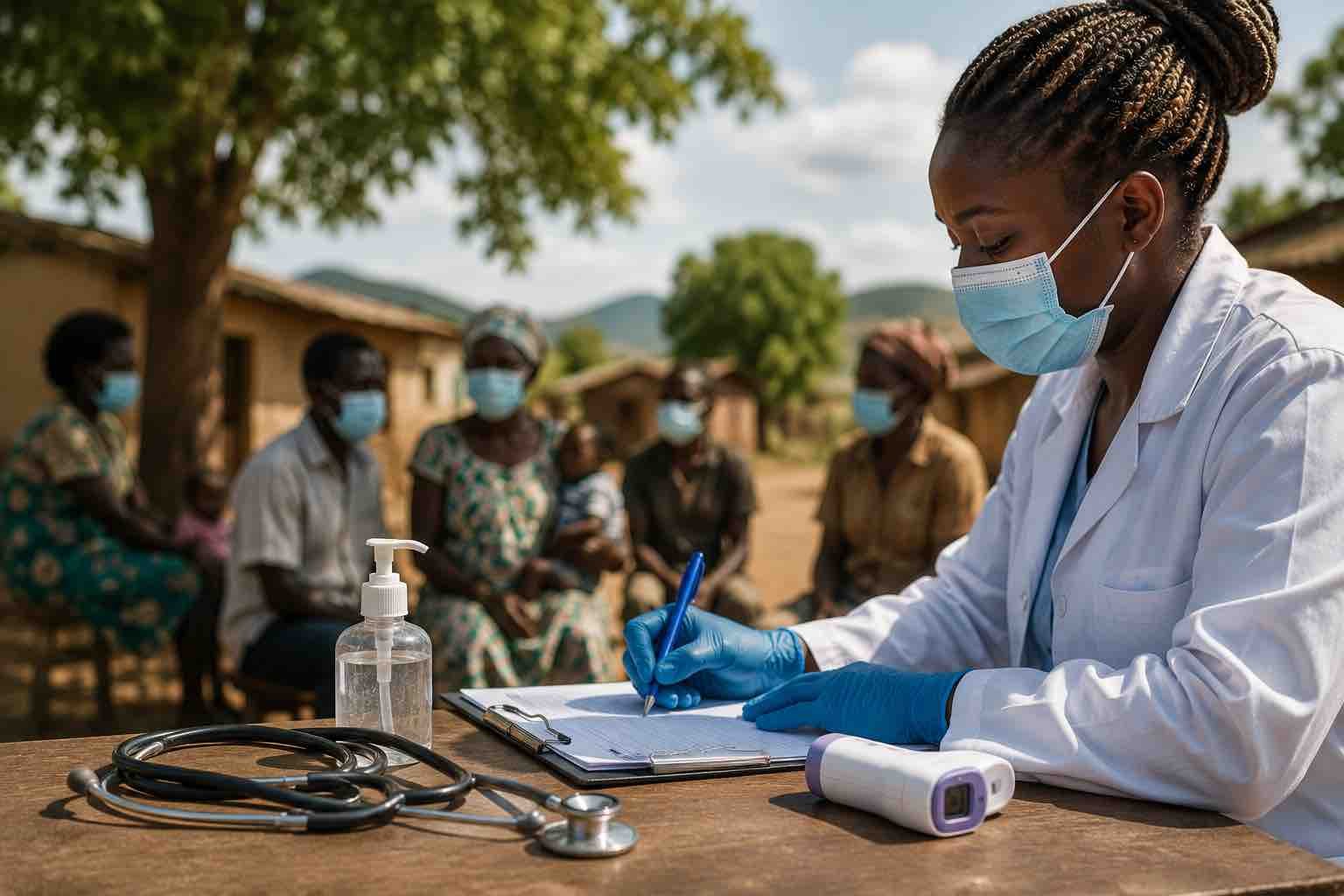
The recent Ebola outbreak has once again placed global public health in the spotlight, reminding people around the world about the importance of disease prevention, early detection, healthcare preparedness, and community awareness during infectious disease emergencies.
Although Ebola remains relatively rare compared to other viral illnesses, outbreaks often generate widespread concern due to the severity of the disease and the speed at which infections may spread in vulnerable regions. Public discussions surrounding the Ebola outbreak also highlight broader health topics, including immune system support, stress management during health crises, healthcare infrastructure, and preventive wellness strategies.
The Ebola outbreak serves as an important reminder that preventive health measures, responsible public communication, and early medical intervention may play critical roles in protecting both individuals and communities.
What Is Ebola?
Ebola virus disease is a severe viral illness that affects humans and certain animals. The virus is primarily transmitted through direct contact with infected bodily fluids or contaminated materials.
Symptoms may initially resemble other viral infections, which can sometimes make early identification more challenging.
Over the years, multiple Ebola outbreaks have occurred in different regions, particularly in parts of Africa, leading to increased international public health monitoring and emergency response efforts.
Why Ebola Outbreaks Generate Global Concern
Ebola outbreaks often receive significant international attention because of:
- High fatality rates in severe cases
- Rapid transmission risks
- Strain on healthcare systems
- Need for rapid containment
- Public fear and uncertainty
The recent Ebola outbreak has once again emphasized the importance of coordinated public health responses and global disease surveillance.
Public health experts continue monitoring outbreaks carefully to reduce transmission risks and improve emergency preparedness.
Common Symptoms Associated With Ebola
Early symptoms of Ebola may sometimes include:
- Fever
- Fatigue
- Muscle pain
- Headache
- Weakness
- Sore throat
As the illness progresses, more severe symptoms may develop in some individuals.
Because symptoms may resemble other illnesses in the early stages, proper medical evaluation is essential.
The Importance of Early Detection
Early detection plays a major role in controlling infectious disease outbreaks.
Rapid identification of potential cases may help:
- Reduce transmission
- Improve patient care
- Protect healthcare workers
- Strengthen public health response
- Support contact tracing efforts
The Ebola outbreak has reinforced the importance of surveillance systems and emergency preparedness worldwide.
Public Health Preparedness and Global Response
Global health organizations often work together during outbreaks to:
- Monitor transmission
- Support local healthcare systems
- Provide medical resources
- Improve community education
- Coordinate emergency response efforts
The Ebola outbreak highlights how international collaboration may help strengthen disease prevention and outbreak management strategies.
Stress and Mental Health During Health Emergencies
Public health emergencies can also affect emotional well-being.
Continuous exposure to alarming news and uncertainty may contribute to:
- Anxiety
- Chronic stress
- Sleep problems
- Emotional fatigue
- Fear-related behaviors
Maintaining balanced access to reliable health information may help reduce unnecessary panic during disease outbreaks.
Healthy Habits That May Support Overall Wellness
While no lifestyle habit can completely prevent infectious diseases, healthy daily routines may help support overall wellness and immune system function.
These habits may include:
- Prioritizing sleep
- Staying hydrated
- Managing stress
- Eating balanced meals
- Staying physically active
- Maintaining proper hygiene
- Following public health recommendations
Long-term health resilience often depends on consistent healthy habits.
Why Responsible Health Information Matters
Misinformation during outbreaks may increase confusion and public fear.
The Ebola outbreak has demonstrated the importance of:
- Trusted medical sources
- Accurate public communication
- Science-based reporting
- Responsible journalism
Reliable information may help individuals make informed health decisions while reducing unnecessary panic.
Lessons the World Continues to Learn From Ebola Outbreaks
Each Ebola outbreak has contributed valuable lessons regarding:
- Healthcare preparedness
- Emergency response systems
- Infection prevention
- Global collaboration
- Public communication strategies
Health crises often reveal the importance of investing in preventive healthcare systems and strengthening public health infrastructure worldwide.
Frequently Asked Questions
What causes Ebola virus disease?
Ebola is caused by a virus that spreads primarily through direct contact with infected bodily fluids or contaminated materials.
What are the first symptoms of Ebola?
Early symptoms may include fever, fatigue, muscle pain, weakness, headache, and sore throat.
Why do Ebola outbreaks receive so much attention?
Ebola outbreaks attract global concern because of their severity, transmission risks, and impact on healthcare systems.
How do public health organizations respond to Ebola outbreaks?
Organizations typically focus on monitoring transmission, supporting healthcare systems, improving education, and coordinating emergency response measures.
Can stress increase during disease outbreaks?
Yes. Public health emergencies may contribute to increased stress, anxiety, sleep problems, and emotional exhaustion in some individuals.
Why is preventive health important during outbreaks?
Preventive health habits and early medical attention may help support overall wellness and strengthen public health responses.
Suggested Internal Links for Ignis Natura
- Natural Medicine Insights
- Diabetes Care Management Programs
- The Surprising Benefits of Frozen Blueberries
- Kyle Busch’s Health Scare Highlights the Importance of Preventive Health and Stress Management in Elite Athletes
Conclusion
The recent Ebola outbreak has once again highlighted the importance of global health preparedness, disease prevention, responsible communication, and early public health intervention. While outbreaks naturally generate concern, they also provide opportunities to strengthen healthcare systems, improve public awareness, and encourage preventive wellness practices.
Maintaining healthy daily habits, staying informed through reliable sources, and supporting public health initiatives may help individuals and communities navigate health emergencies more effectively.