
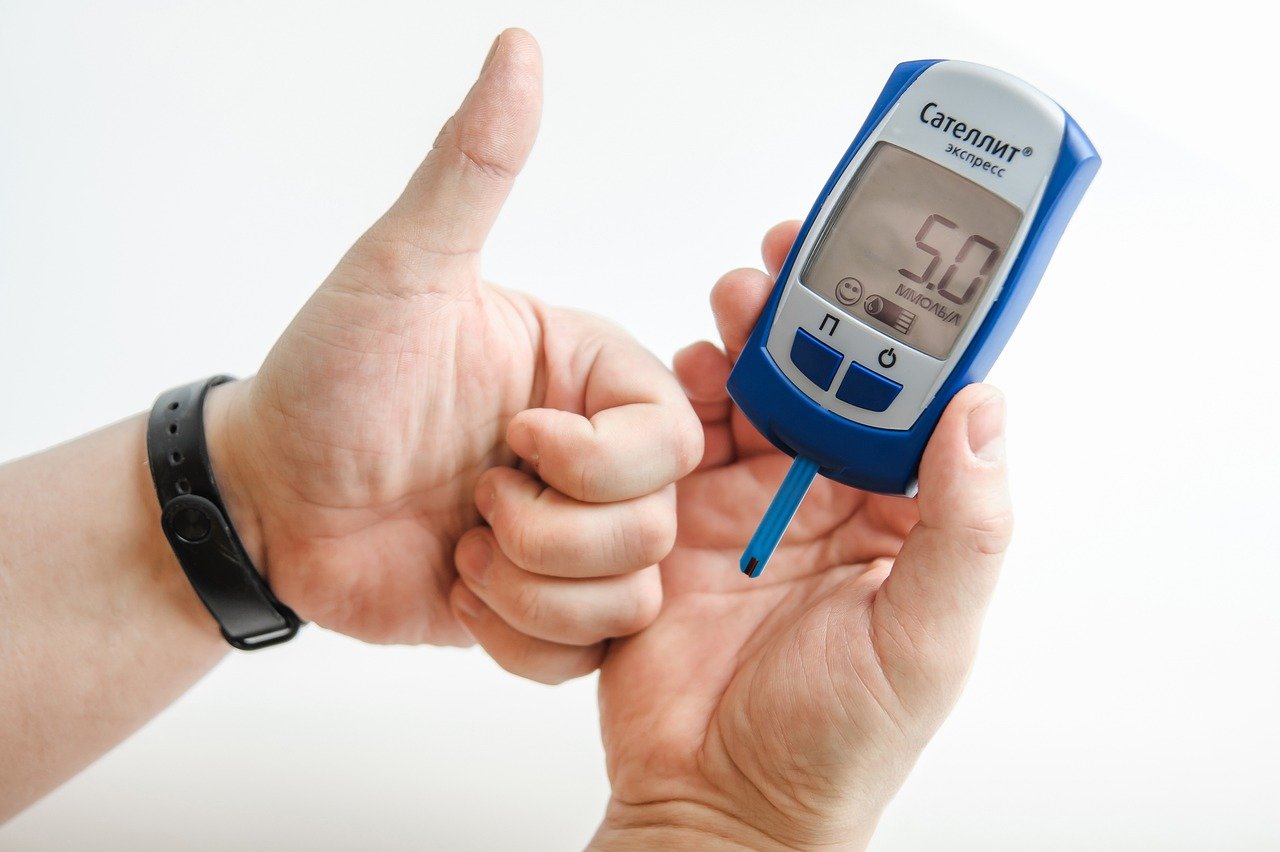
High blood sugar can develop slowly and silently, often without obvious warning signs in the beginning. Many people ignore the early symptoms because they may seem harmless or temporary. However, persistent elevated blood sugar levels may affect energy, circulation, vision, nerves, and overall health over time.
Recognizing the early signs of high blood sugar may help people seek medical guidance earlier and make healthier lifestyle choices before complications appear.
What Is High Blood Sugar?
High blood sugar, also known as hyperglycemia, happens when there is too much glucose circulating in the bloodstream. This can occur when the body does not produce enough insulin or cannot properly use insulin to move glucose into the cells for energy.
Temporary spikes may happen after eating large amounts of sugar or carbohydrates, but consistently elevated blood sugar levels may be linked to prediabetes or diabetes.
Frequent Urination
One of the most common early signs of high blood sugar is frequent urination, especially during the night.
When glucose levels become too high, the kidneys work harder to remove excess sugar from the blood through urine. This process can cause people to urinate more often than usual and may contribute to dehydration.
Increased Thirst
Excessive thirst often goes hand in hand with frequent urination. As the body loses fluids, the brain signals the need for more water.
Many people with elevated blood sugar notice that no matter how much water they drink, they still feel thirsty throughout the day.
Constant Fatigue
Feeling tired all the time may be another early warning sign.
When glucose cannot properly enter the cells, the body may struggle to produce energy efficiently. This can leave people feeling exhausted, weak, mentally foggy, or lacking motivation even after getting enough sleep.
Blurred Vision
High blood sugar may affect fluid levels in the eyes and temporarily change the shape of the lens.
Some people experience blurry vision, difficulty focusing, or eye strain when blood sugar levels remain elevated for extended periods.
Increased Hunger
Even after eating, some individuals may continue feeling hungry.
This happens because the body may not be effectively using glucose for energy, leading the brain to believe more food is needed.
Slow Healing
Cuts, bruises, and minor wounds that take longer to heal may sometimes be associated with high blood sugar.
Over time, elevated glucose levels may affect circulation and the body’s natural healing processes.
Tingling or Numbness
Some people notice tingling sensations, burning feelings, or numbness in the hands and feet.
Persistent high blood sugar may affect nerve health and circulation, especially when blood sugar remains uncontrolled for long periods.
Dry Mouth and Dry Skin
Dehydration caused by frequent urination may contribute to dry mouth, cracked lips, or dry skin.
In some cases, people may also notice itchiness or skin irritation.
Unexplained Weight Changes
Unexpected weight loss may sometimes occur when the body cannot properly use glucose for energy and begins breaking down fat and muscle instead.
Others may experience weight gain related to insulin resistance and metabolic imbalance.
Brain Fog and Difficulty Concentrating
High blood sugar may also affect concentration and mental clarity.
Some individuals report forgetfulness, difficulty focusing, headaches, or feeling mentally drained throughout the day.
Risk Factors for High Blood Sugar
Several factors may increase the risk of elevated blood sugar levels, including:
- Family history of diabetes
- Excess body weight
- Sedentary lifestyle
- Diet high in processed foods and sugary beverages
- Chronic stress
- Poor sleep quality
- Hormonal imbalances
Healthy Habits That May Support Blood Sugar Balance
Lifestyle habits may play an important role in maintaining healthy blood sugar levels:
- Staying physically active
- Drinking enough water
- Eating fiber-rich foods
- Limiting ultra-processed foods and excess sugar
- Managing stress levels
- Prioritizing sleep
- Maintaining a healthy body weight
When to Seek Medical Advice
Persistent symptoms such as extreme thirst, constant fatigue, blurry vision, or frequent urination should not be ignored.
A healthcare professional can perform blood tests to evaluate glucose levels and determine whether additional medical evaluation is needed.
Final Thoughts
High blood sugar often develops gradually, and the early warning signs may be subtle at first. Paying attention to symptoms like fatigue, increased thirst, blurred vision, and frequent urination may help people take action earlier and support their long-term health.
Understanding the body’s signals and adopting healthier daily habits may play an important role in overall wellness and blood sugar balance.
Reference:
https://www.cdc.gov/diabetes/signs-symptoms/index.html