
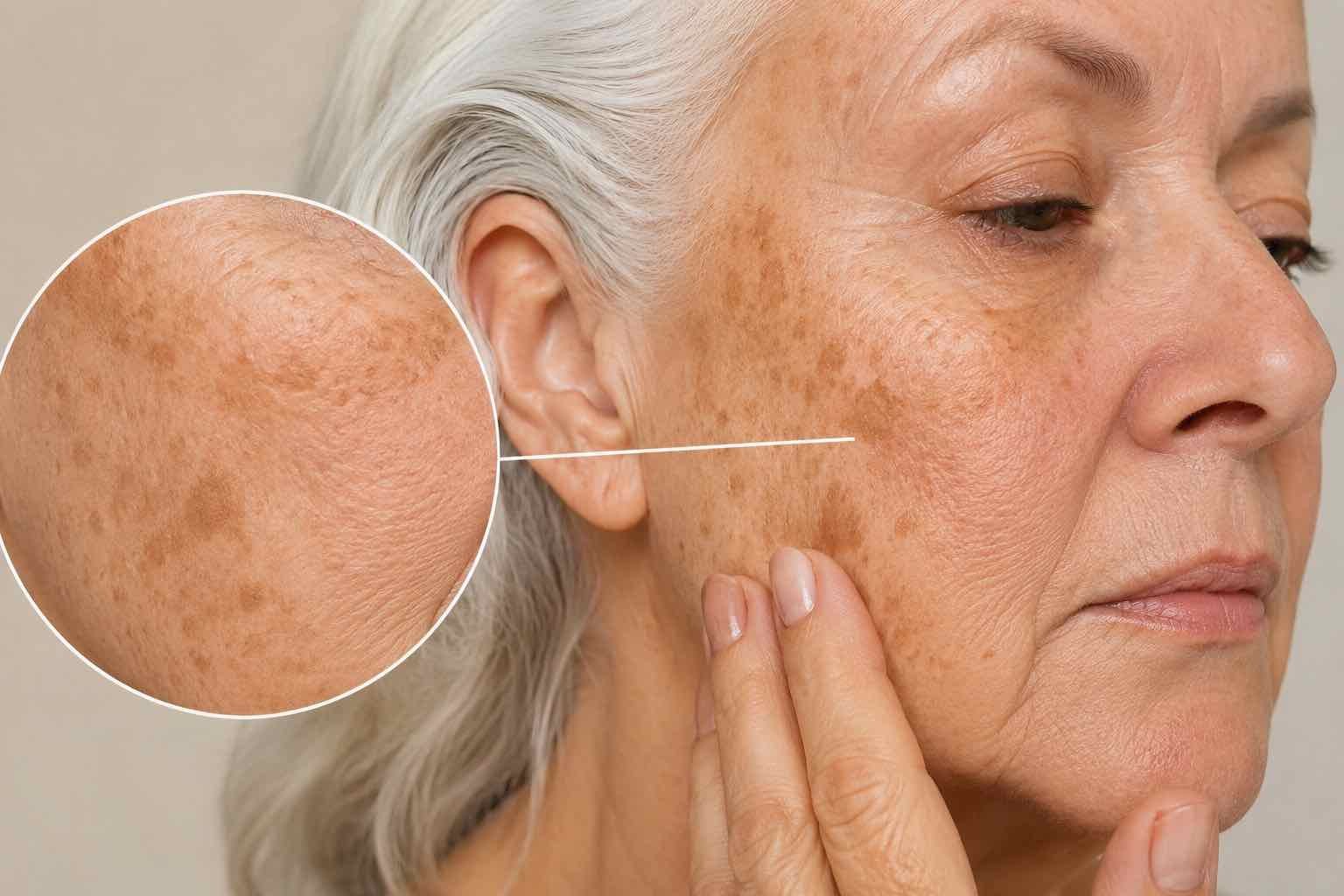
Age spots are commonly associated with aging and sun exposure, but some experts suggest that nutritional deficiencies may also play a role in how the skin changes over time. One mineral that has gained attention in recent years is zinc, an essential nutrient involved in skin repair, collagen production, and antioxidant defense.
Low zinc levels may contribute to oxidative stress and cellular damage, which could potentially influence the appearance of age spots, uneven skin tone, and premature skin aging.
What Are Age Spots?
Age spots, also known as liver spots or sun spots, are flat darkened areas that commonly appear on the face, hands, shoulders, and arms. They are usually linked to years of ultraviolet (UV) exposure and natural aging.
While they are generally harmless, many people look for ways to support healthier and younger-looking skin naturally.
Why Zinc Matters for Skin Health
Zinc is an essential mineral that supports multiple biological processes related to skin health:
- Skin regeneration
- Collagen synthesis
- Wound healing
- Protection against oxidative stress
- Immune system function
The body cannot store large amounts of zinc, which means regular intake through food is important.
How Zinc Deficiency May Affect the Skin
Some research suggests that low zinc levels may weaken the skin’s natural defense against oxidative damage caused by UV rays and environmental stressors.
Possible signs associated with zinc deficiency may include:
- Dry skin
- Slow wound healing
- Increased skin sensitivity
- Acne or skin irritation
- Brittle nails
- Hair thinning
- Uneven skin appearance
Over time, oxidative stress may contribute to visible signs of aging, including discoloration and age spots.
The Connection Between Oxidative Stress and Age Spots
Oxidative stress occurs when free radicals overwhelm the body’s antioxidant defenses.
This process may damage skin cells and influence melanin production, potentially contributing to dark spots and uneven pigmentation.
Zinc plays an important role in antioxidant enzyme activity, helping support the body’s ability to protect cells from damage.
Foods Naturally Rich in Zinc
Including zinc-rich foods in a balanced diet may help support healthy skin and overall wellness.
Some natural sources of zinc include:
- Pumpkin seeds
- Chickpeas
- Lentils
- Beef
- Oysters
- Eggs
- Yogurt
- Cashews
- Quinoa
A varied and nutrient-rich diet is often the best long-term approach for maintaining healthy mineral levels.
Other Nutrients Important for Healthy Skin
Skin health depends on multiple nutrients working together. In addition to zinc, the following nutrients may support healthy aging:
- Vitamin C
- Vitamin E
- Selenium
- Omega-3 fatty acids
- Copper
- Collagen-supporting proteins
Hydration, sleep quality, stress management, and sun protection also play important roles.
Healthy Habits That May Help Protect the Skin
Lifestyle habits can strongly influence skin appearance over time:
- Wearing sunscreen daily
- Avoiding excessive sun exposure
- Staying hydrated
- Eating antioxidant-rich foods
- Avoiding smoking
- Managing chronic stress
- Getting enough sleep
These habits may help support healthier skin aging naturally.
When to Seek Professional Advice
Persistent skin changes, unusual dark spots, or sudden pigmentation changes should always be evaluated by a healthcare professional or dermatologist.
Only proper medical evaluation can determine whether skin changes are related to aging, nutritional deficiencies, or other underlying conditions.
Final Thoughts
While age spots are a common part of aging, nutrition may also influence how the skin changes over time. Zinc is an important mineral involved in skin repair and antioxidant protection, and low levels may contribute to signs of premature skin aging.
Supporting the body with balanced nutrition, healthy habits, and proper skin care may help maintain healthier-looking skin as the years go by.
Reference:
https://ods.od.nih.gov/factsheets/Zinc-HealthProfessional/